A 43, Street No. 5, Chander Vihar, Mandawali, Delhi, 110092


Your Cart (₹0.00)
Fuel Cell vs Semiconductor Alcohol Tester: Which One Should You Buy?
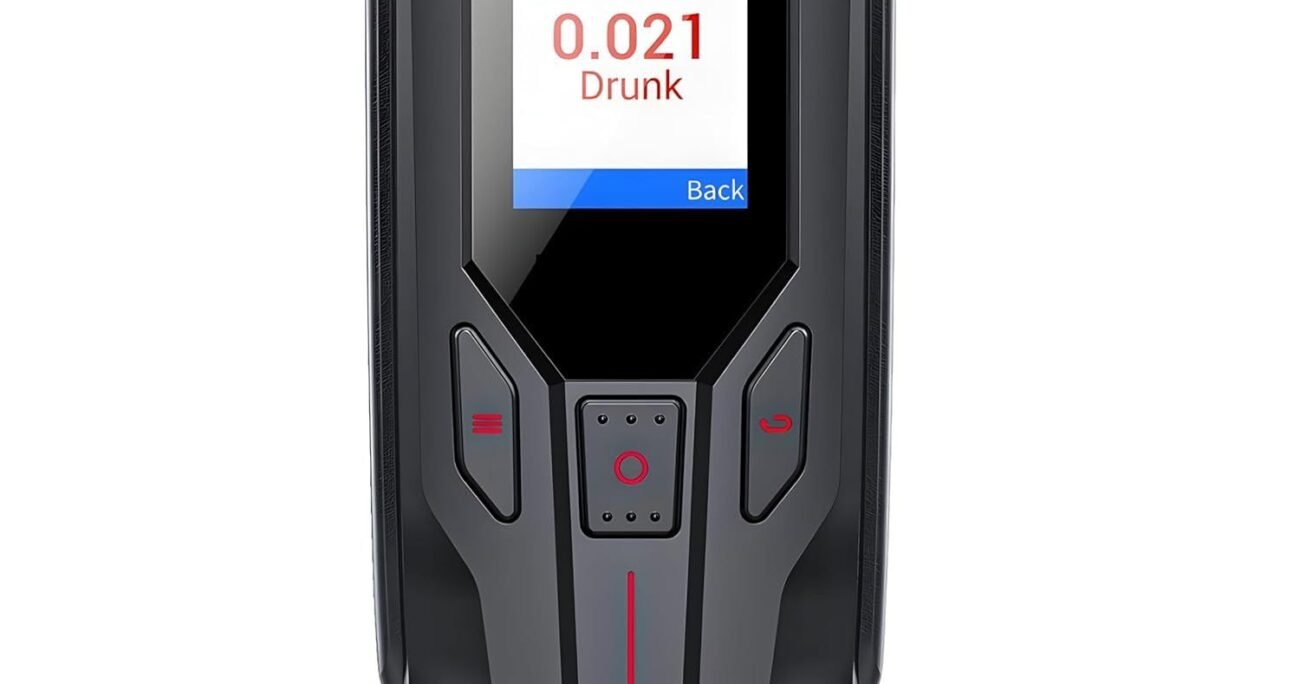
Every breath alcohol tester has a sensor inside it. In India you will mostly find two types: fuel cell and semiconductor. The sensor decides how accurate the reading is, how long the tester lasts and how much it costs. This guide explains the difference in simple words so you can pick the right tester.
How a semiconductor alcohol tester works
A semiconductor sensor has a small heated metal-oxide element. When breath with alcohol passes over it, the electrical resistance changes and the tester converts this change into a reading. These sensors are low cost and work well for quick personal checks.
The downside is that semiconductor sensors can also react to other things in the breath, such as smoke or some food smells, and their accuracy drifts faster with use. They need a short warm-up before each test.
How a fuel cell alcohol tester works
A fuel cell sensor uses an electrochemical reaction. Alcohol in the breath is oxidised on a platinum-coated surface and produces a small electric current. The current is directly linked to the amount of alcohol, which gives a more specific and stable reading.
Fuel cell sensors react mainly to alcohol, give repeatable results over many tests and stay accurate for longer between calibrations. This is why companies, transporters and enforcement teams prefer them.
Fuel cell vs semiconductor: quick comparison
| Point | Semiconductor | Fuel cell |
|---|---|---|
| Accuracy | Good for screening | High and repeatable |
| Reacts to other substances | Can be affected | Mainly alcohol |
| Tests per day | Light use | Heavy use |
| Price | Lower | Higher |
| Best for | Personal use | Offices, factories, fleets, police |
Which one should you buy?
- Personal use or occasional checks: a semiconductor tester like the SIMMANS S21 or SIMMANS S9 is enough.
- Office, factory or fleet testing every day: choose a fuel cell tester such as the SIMMANS S-75 or SIMMANS S2.
- You need printed records: pick a fuel cell tester with printer like the SIMMANS S99.
Still not sure? Browse all SIMMANS alcohol testers or call 9211038359 and our team will suggest the right model for your use.