A 43, Street No. 5, Chander Vihar, Mandawali, Delhi, 110092


Your Cart (₹0.00)
Luxury Sunglasses Perfect for Statement Outfits Explore Similar Styles
Top 15 Gucci Bags for Women This Year: Prices and Investment Value
This overview lists the 15 Gucci handbags having the strongest 2024 financial potential, showing current U.S. price ranges and what you should feasibly project on the resale market. The short version: heritage hardware families like Jackie, Horsebit, and Bamboo dominate value retention, especially in small-to-medium sizes and core leathers. Use our detailed chart to compare retail vs resale, then review the specific model-by-model game plan.
Gucci’s classic models perform like blue-chip luxury commodities this year, while some contemporary silhouettes are developing strength through the brand’s renewed leadership. When judging value, prioritize timeless metal details, understated shades, and practical dimensions meeting real-world demand. Discontinued cult pieces can exceed original pricing, though condition, wholeness, plus verification checks decide if such markups sticks. If you’re balancing wearability with future selling power, our selections highlighted as “anchors” provide the best balanced investment options.
What Gucci handbags hold value in 2024?
Pieces with archival hardware and long, cross-era recognition hold the line: Jackie 1961, Horsebit 1955, Bamboo 1947, with Diana. Among modern creations, Blondie and Horsebit Chain are climbing, while Dionysus maintains steadiness within classic configurations. Entry-price canvas like Ophidia stays liquid, while specific archived models—Soho Disco with Sylvie 1969—trade over previous costs in prime hues plus state.
The most resilient configurations are small or petite top carriers and shoulder pieces in black, brown, and camel skin, next by GG Supreme fabric featuring leather trim. Special releases may spike, but widespread visibility reduces a trend span, therefore choose to core items unless one’s trading quickly. Chain-equipped evening silhouettes like Horsebit Chain move easily between dress codes, which helps resale velocity. Bold limited shades can do excellently at introduction, yet neutrals build worth across a longer position. Buyers who want to wear and flip must focus on the icons; enthusiasts may strategically hunt rarities.
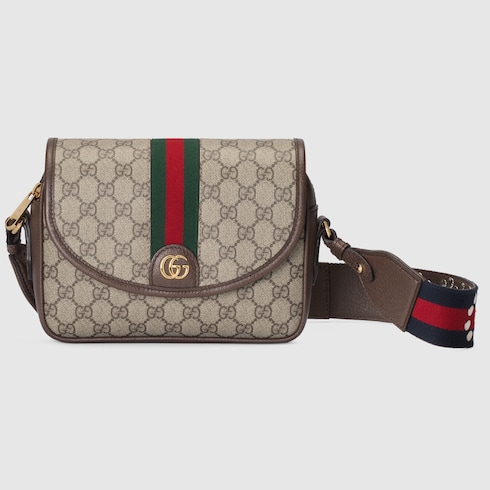
This Year’s Cost and Resale Snapshot
The table presents US store ranges and common pre-owned holding for 2024, according to design and common size configuration. Prices move by size, leather, and region, so use these as working bands rather than fixed points.
| Model | US boutique 2024 (USD) | Typical resale retention | Fast financial gucci large belt bag insight |
|---|---|---|---|
| Jackie 1961 Compact | $2,950–$3,200 | 85–110% | Multi-generation classic; compact in black to beige dominates. |
| Horsebit 1955 Shoulder | $2,700-$3,500 span | 85 to 105% | Classic hardware; GG canvas is stable. |
| Bamboo 1947 Small Top Handle) | $4,200-$4,800 range | 85–105% | Handcrafted bamboo; limited colors pop. |
| Diana Compact Tote | $3,600-$4,500 span | 90–120% | Fame factor; bold straps boost interest. |
| Dionysus (Small) | $2,980 to $3,600 | 75 to 95% | Leather holds; embellished pieces are unpredictable. |
| Marmont GG Small | $2,690 to $3,100 | 60-85% holding | Common; select black matelassé. |
| Small Ophidia | $1,290 to $1,790 | 65–85% | Entry price; GG Supreme ages beautifully. |
| Blondie (Small) | $3,200 to $3,800 | 80-100% holding | ’70s logo ring; clean leather favored. |
| Small Padlock | $2,450–$2,990 | 70-90% retention | Material combination; check corner wear. |
| Attache (Small) | $2,800–$3,300 | 70–90% | Modular strap; early De Sarno-era bet. |
| Aphrodite Small | $2,500 to $2,900 | 65–85% | Rounded hobo; most secure in black. |
| Horsebit Chain | $3,800–$4,200 | 85–110% | Evening-friendly; patent and black lead. |
| Soho Disco (Camera) | Unavailable (archived) | 70-110% versus last retail | Resale jewel; quality drives price. |
| 1969 Sylvie Small | N/A (discontinued) | 85 to 130% of last retail | Exotic hues with exotics soar. |
| Bamboo Bucket (Small) | $3,300 to $3,900 | 70-95% retention | Unique profile; bamboo detail adds foundation. |
Retention bands indicate common performance for well-kept pieces including dust bag and documentation; weak state can cut final costs by 15–40%. Regional interest, gradual cost increases, and periodic shade shifts will nudge performance above or down. For discontinued models, scarcity premiums hinge around hue, design finish, and wholeness. If you intend to resell within a year, assume the low end of each band; multi‑year holds on icons often creep toward maximum ranges.
What method did rank investment opportunity?
The evaluation prioritized classic longevity, hardware family, current retail stability, and secondary-market liquidity. We then added shade plus size premiums, quality considerations, with supply visibility indicating genuine odds, not just list prices.
Liquidity matters above speculative upside, so styles showing regular sell‑through at fair discounts rank higher than spiky darlings that require perfect timing. Heritage hardware families score best because demand is broad and repeats across periods. We penalized shapes featuring quick color churn plus regular discount exposure, as those inflate short-term listings and reduce profits. Discontinued models received a scarcity credit only if sustained cultural recognition is available, beyond merely because they’re challenging to source.
Classic pieces which anchor value
Jackie 1961, Horsebit 1955, plus Bamboo 1947, and Diana constitute core capital. Small through petite proportions in black, tan, and brown leather consistently clear at tight spreads versus boutique pricing, including sporadic premiums for exotic hues. Jackie 1961’s cylinder clasp plus slim hobo silhouette flows through day and dinner, which drives both wear-time and resale velocity. Bamboo 1947 plus Diana include hand-finished bamboo handles, a craft detail that supports value minimums and attracts collectors. If you’re buying one bag to wear extensively then resell cleanly later, begin within this quadrant.
Jackie 1961 Petite near roughly $2,950–$3,200 constitutes the optimal versatile entry, and the add‑on strap modernizes carry modes without breaking the profile. Horsebit 1955 at $2,700–$3,500 leans classic; GG canvas with leather trim appears marginally more forgiving to wear than full leather. Bamboo 1947 at $4,200–$4,800 is pricier, yet the artisanship and smaller runs justify stronger retention. Diana at $3,600–$4,500 benefits from fame recognition, including bright strap hues contributing speculative edge. Across these four, avoid oversized proportions unless one specifically want a work tote; resale skews smaller.
Contemporary staples with momentum
Dionysus, Blondie, Attache, and Horsebit Chain blend contemporary design with recognizable Gucci elements. Blondie’s circular G logo plate reads fresh without being loud, and petite black material versions are gradually solidifying. Horsebit Chain provides dressy polish to a traditional pattern, a profile which moves rapidly in core hues. Dionysus remains consistent across smooth leather and GG Supreme; heavily embellished editions fluctuate more. Attache’s flexible strap mechanism is clever plus functional, though treat it like moderate‑risk, medium‑reward hold unless one gets a core hue first.
Price-wise, Dionysus Small falls around $2,980–$3,600, Blondie Small near $3,200–$3,800, Attache Small around $2,800–$3,300, with Horsebit Chain around $3,800–$4,200. If you need one “fashion‑conscious” play with a backstop, pick Horsebit Chain featuring black hide and keep it pristine. For Blondie, smooth leather shows wear, so factor a leather care routine throughout your investment basis. Reserve crystal, decoration, plus seasonal textures for collecting, not for flipping according to schedule. As momentum grows, review these models in six to twelve months for indicators of stock tightening.
Affordably priced essentials
Ophidia, Padlock, plus Aphrodite constitute the practical end of the portfolio where initial investment is lower with activity remaining high. Ophidia in GG Supreme is a resilient regular carrier, and the price band keeps buyer pools extensive. Padlock’s canvas-and-leather mix makes corners the weak spot; purchase featuring clean piping and sell before heavy wear develops. Aphrodite’s curved hobo lines are trending, but select black to minimize mark appearance plus fashion risk. These models aren’t meant to surge; they serve dependable wear featuring managed risk.
Ophidia’s small formats span about $1,290–$1,790, which attracts first-time luxury buyers and sustains resale interest. Padlock Small positions near $2,450–$2,990, and neutral details function ideally. Aphrodite Small around $2,500–$2,900 is new enough to feel current without appearing uncertain across core colors. If you’re allocating a fixed budget, one traditional anchor plus one from these workhorses balances the collection. Keep boxes, dust bags, and receipts to preserve liquidity when you exit.
Rare heritage items worth chasing
Soho Disco and Sylvie 1969 contain the limited supply premium and market recognition to justify hunting. Soho Disco’s petite camera shape still headlines travel and casual ensembles, with immaculate caviar‑textured leather connects to robust pricing. Sylvie 1969, especially in rare colors with rare details, can clear substantially over previous retail because creation stayed restricted and the metal becomes immediately identifiable. Both benefit from waiting plus authentication diligence, as quality ranges are wide. View these items as tactical buys rather than everyday beaters if you want to protect upside.
On Soho Disco, prioritize sharp corners, intact tassel, and clean interior; pay more for full set items with fresh spa receipts. With Sylvie 1969, inspect chain‑and‑web hardware alignment, clasp tension, and border finish for avoid expensive aftercare. Expect pricing fluctuations across hues; black and neutral create the floor, while bold with unusual shades can hit the maximum of the band. If a posting appears discounted for condition, assume competition and move quickly with verification. Scarcity helps, but only the right specimen changes this to outcome.
New vs pre-owned: the smarter play now
Buy new when it’s a core icon featuring fundamental leather or a trending launch with visible lists; instead, secondary market narrows your downside by 15–35%. For items one intends to wear for several years, new can be logical when you want warranty coverage plus the exact spec. When one plans to flip inside twelve months, pre-owned in outstanding quality including a full set is the cleaner trade. Archived items default to pre‑owned; gain via tracking price data with matching sales. In all cases, bargain condition-first, not simply value-first.
Market rhythm counts. New prices typically rise up annually, which can float resale floors with heritage pieces, therefore a well-timed retail acquisition still works. Pre‑owned segments weaken during late summer plus early January, useful windows for consumers. If a style appears constantly on social feeds, assume a near-term oversupply then pause. Keep a ongoing compact catalog with target spans allowing you can act when a listing hits your criteria.
Upkeep, materials, with color strategy for value retention
Neutral hide within compact-to-mid sizes stacks optimal chances, followed by GG Supreme canvas with leather details. Store with stuffing and a soft barrier between chain and leather to prevent marks, while rotate carry to limit angle wear. Track border finish, angles, and hardware small damages; those constitute the line items buyers scrutinize and deduct in pricing. Avoid aggressive embellishment and heavy patent for daily use if you’re enhancing eventual value. Keep records, shop seals, and all additions unified to lift realized price and speed up the transaction.
While selecting among near-identical listings, select the choice with cleaner edges, then the one with improved record trail. If one desires a seasonal color, buy it to enjoy, not to trade; the exception is a documented limited run tied to an event or capsule. For Bamboo and Diana, treat the bamboo handle with care while skipping extended heat to avoid breaking. For canvas styles, care for borders promptly and avoid color transfer from dark jeans. A simple maintenance routine compounds value over periods via a way most consumers underappreciate.